
Eagle Pro Renovations · Updated November 2026 · 8 min read
Short answer: if your remodel touches plumbing, electrical, mechanical, or structure, you almost certainly need a permit. The harder question around here is not whether you need one. It is which office issues it, because the city on your mailing address is not always the government that regulates your house.
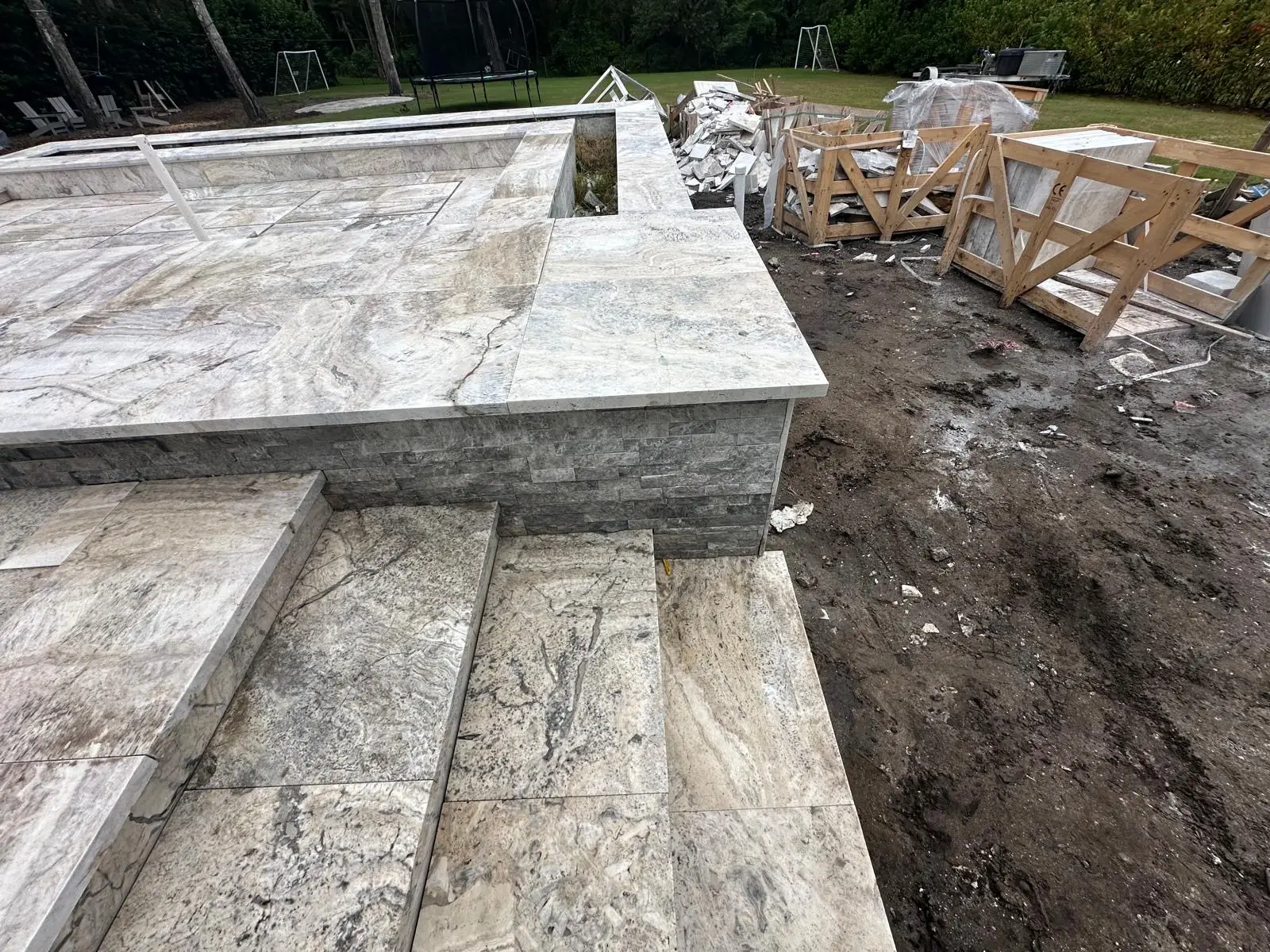
Clay County is not one permitting authority. It is several. The county runs a Building Division for unincorporated areas, and the Town of Orange Park, Green Cove Springs, Keystone Heights, and Penney Farms each run their own building departments inside their town limits. Cross the river into Duval and it changes again, because Jacksonville is a consolidated city-county.
That matters more than most homeowners expect. Tens of thousands of houses have an “Orange Park, FL” mailing address while sitting in unincorporated Clay County, well outside the Town of Orange Park, which has fewer than 9,000 residents. Send your application to the wrong office and you do not get a rejection so much as a delay, and delays on a remodel cost real money.
There are four answers in this area, and only one of them applies to you.
This covers most of the area we work in, including Fleming Island, Lakeside, Middleburg, and the Clay County side of Oakleaf. Permits go through the Clay County Building Division, which can be reached at (904) 269-6307 or permits@claycountygov.com, and applications route through the county’s online permitting system. If your house is in Fleming Island or Oakleaf, this is almost certainly your office.
The town runs its own Building Inspection and Permitting Division inside its Economic and Community Development department, at 2042 Park Avenue, reachable at (904) 264-2635 or ecd@townop.com. This applies only inside the actual town limits, which are much smaller than the area that mails as Orange Park. Our own shop is in Orange Park, so we deal with both this office and the county constantly.
Jacksonville consolidated with Duval County, so one office, the City of Jacksonville Building Inspection Division inside the Planning and Development Department, handles permitting across the county. The exceptions are the independent beach municipalities and Baldwin, which run their own programs. Jacksonville applications are submitted through the city’s online permitting portal.
Each of these Clay County municipalities issues its own permits inside its town limits rather than routing through the county. If your address is inside one of them, start with that town’s building department, not the Clay County Building Division.
Oakleaf is the one that catches people out. The community straddles the county line along the First Coast Expressway, so two houses a few streets apart can answer to two different building departments. We confirm which side an address falls on before anything else happens, and we have written about that in more detail on our Oakleaf remodeling page.
Send us the address and the scope. We will tell you which building department handles it and what the project is likely to need, before you commit to anything.
Florida runs on a single statewide code, currently the 8th Edition (2023) of the Florida Building Code, but each jurisdiction applies it with its own forms, fees, and local amendments. The general shape of what needs a permit is consistent even when the paperwork is not.
Moving or adding plumbing. New or relocated electrical circuits. Gas lines. Removing, adding, or altering walls. Changing the size of a window or door opening. Anything structural. Roofing. And on the outside: screen enclosures, pergolas, decks, slabs, and most additions. Our kitchen remodels and bathroom remodels almost always fall here, because the layouts worth changing are the ones that move water.
Paint. Flooring. Trim and millwork. Cabinet refacing. Countertop replacement that goes back in the same footprint with the same sink location. Cosmetic work that does not touch a system or a structural element is usually exempt.
Like-for-like replacements sit in the middle, and different offices draw the line differently. A vanity swap in the same spot may be exempt in one jurisdiction and permitted in another. The fastest way to settle it is one phone call to the department that covers your address, which is why identifying that office first matters so much.
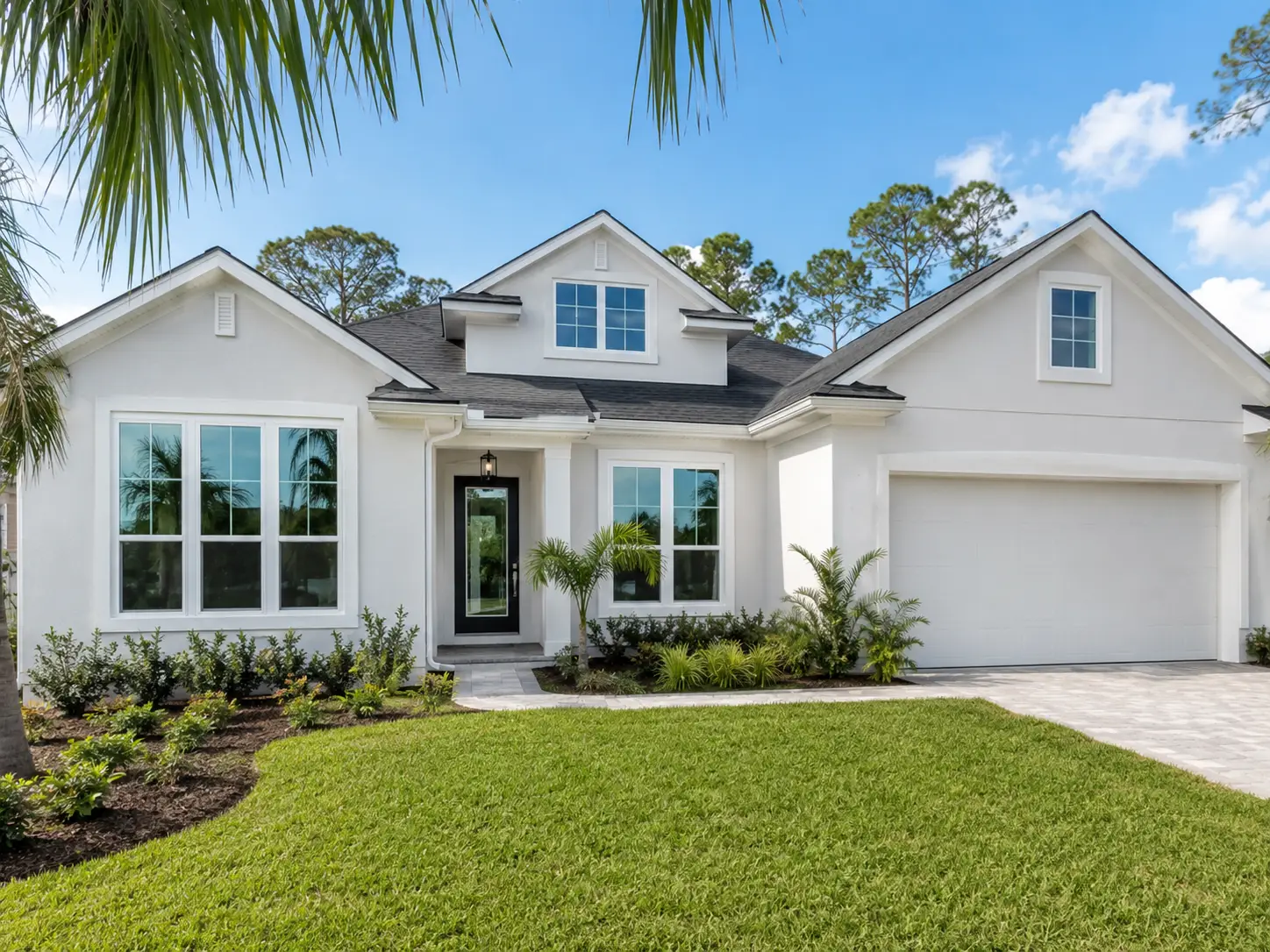
Architectural review is not a permit, and clearing one does not clear the other. Almost every planned neighborhood in this area has a homeowners association, and the larger ones run an architectural review committee on top of it. Eagle Harbor, Pace Island, Fleming Island Plantation, Oakleaf Plantation, Oakleaf Village, and Eagle Landing all do, and several of these communities also sit inside a community development district.
For a kitchen or a bathroom, this rarely comes up. For anything visible from the street or a neighbor’s yard, a pergola, a paver patio, an outdoor living space, a screen enclosure, or new siding, it generally does. The approval usually has to be in hand before the permit is pulled, not after, and it can carry conditions about materials, color, and setbacks that change what you are building.
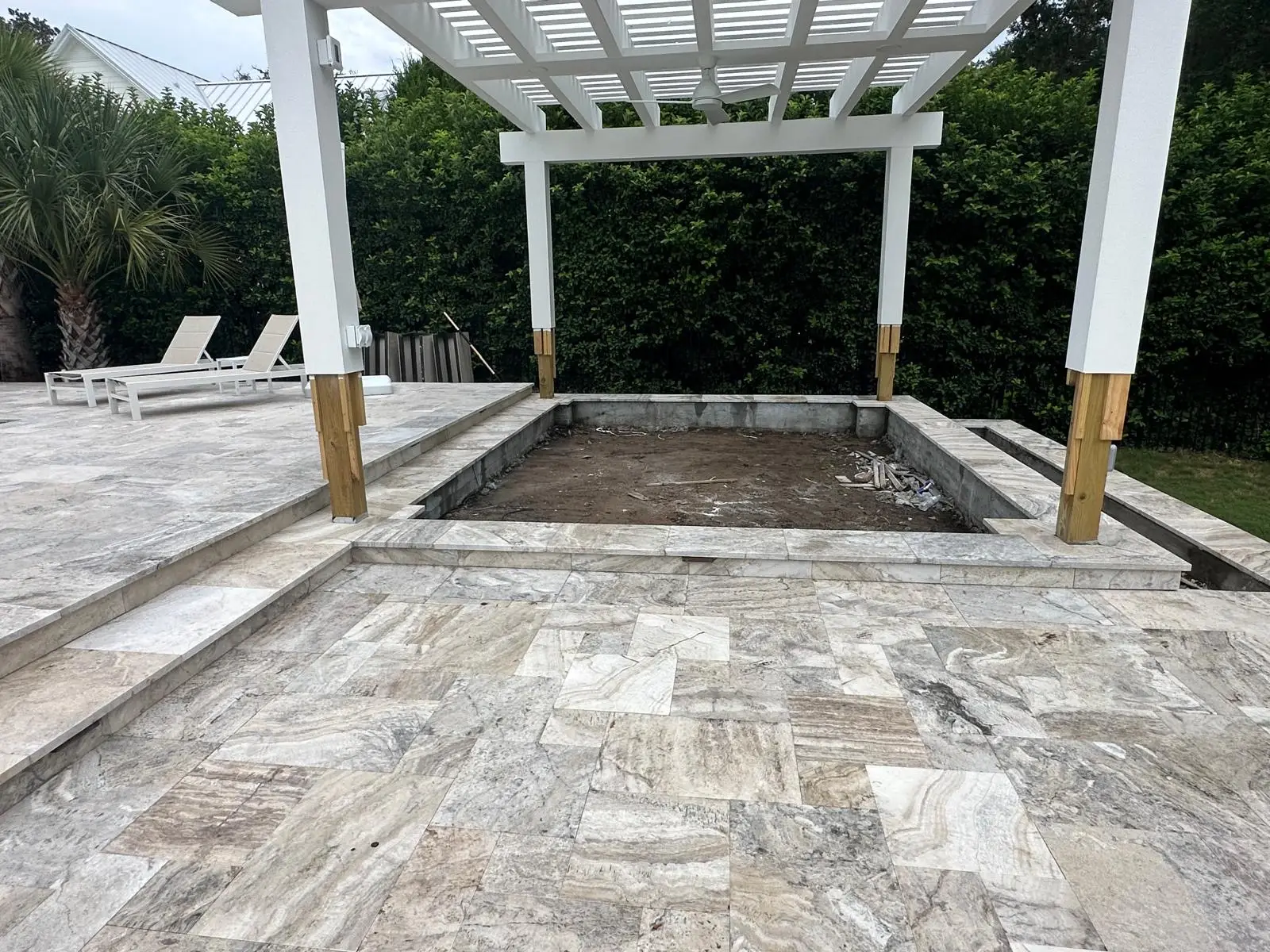
If a contractor offers to do permitted work without a permit, that is the whole review you need of that contractor. Unpermitted work does not stay invisible. It surfaces at resale when a buyer’s inspector finds a bathroom that does not match county records, it surfaces in appraisals, and it surfaces in insurance claims at the worst possible moment.
Florida does allow a homeowner to pull a permit as an owner-builder under Florida Statute 489, but it is narrower than people assume. The property has to be your primary residence, you sign a disclosure accepting the liability a licensed contractor would normally carry, and there are restrictions on selling the property within a year of the work. It is a real option. It is not a shortcut.
We pull them. On every job, we confirm which jurisdiction the address falls in before the design is finished, build the review step into the schedule rather than discovering it halfway through, prepare whatever drawings the building department or the architectural committee asks for, and pull the permit once approvals are in hand.
That order is the difference between a patio that gets built on the scheduled week and one that gets a stop-work notice taped to it. Eagle Pro Renovations is a family-owned, insured remodeling company based in Orange Park, working Clay and Duval County every week. You can read more about how we work or ask us about your specific address.

If the project moves plumbing, changes electrical, or alters a wall, yes. A bathroom remodel that only replaces a vanity, a mirror, and the flooring in the same footprint often does not. The deciding factor is whether you are touching a system or a structural element, not how much the project costs. Confirm with the Clay County Building Division, or with your town’s building department if you are inside Orange Park, Green Cove Springs, Keystone Heights, or Penney Farms.
Probably Clay County, not the Town of Orange Park. The 32065 and 32073 mailing areas cover a very large stretch of unincorporated Clay County, while the town itself has fewer than 9,000 residents. If you are not certain, the county and the town can both tell you which side of the line your parcel sits on, and your contractor should be confirming it before applying.
Both, depending on the address. Oakleaf spans the county line along the First Coast Expressway, so part of it is unincorporated Clay County and part of it is inside Jacksonville city limits in Duval. Permits are issued by whichever side your parcel is on, which is the first thing to establish on any Oakleaf project.
On a contracted job, the contractor pulls it. That is part of what you are hiring. A homeowner can pull their own permit as an owner-builder under Florida Statute 489, but doing so moves the liability for the work onto you and restricts selling the property for a period after the work is finished.
It varies by jurisdiction and by how complete the application is. A straightforward interior alteration generally moves faster than anything requiring engineered drawings or a site review. The delay that actually hurts a schedule is usually not the review itself but a resubmittal, which is why the drawings are worth getting right the first time.
No. They are two separate approvals from two separate bodies, and you generally need both. Architectural review governs how the finished work looks from outside. The building permit governs whether it is built to code. Approval from one has no bearing on the other.
It can usually be resolved, though not always cheaply. The building department can issue an after-the-fact permit, which typically means opening up finished work so an inspector can see what is behind it, and sometimes correcting what they find. It is worth handling before you list the house rather than during a buyer’s inspection.
Tell us the address and we will tell you which building department handles it, what your project is likely to need, and whether your neighborhood runs architectural review. No charge for the answer.
or call or text (904) 578-7160